Current Research
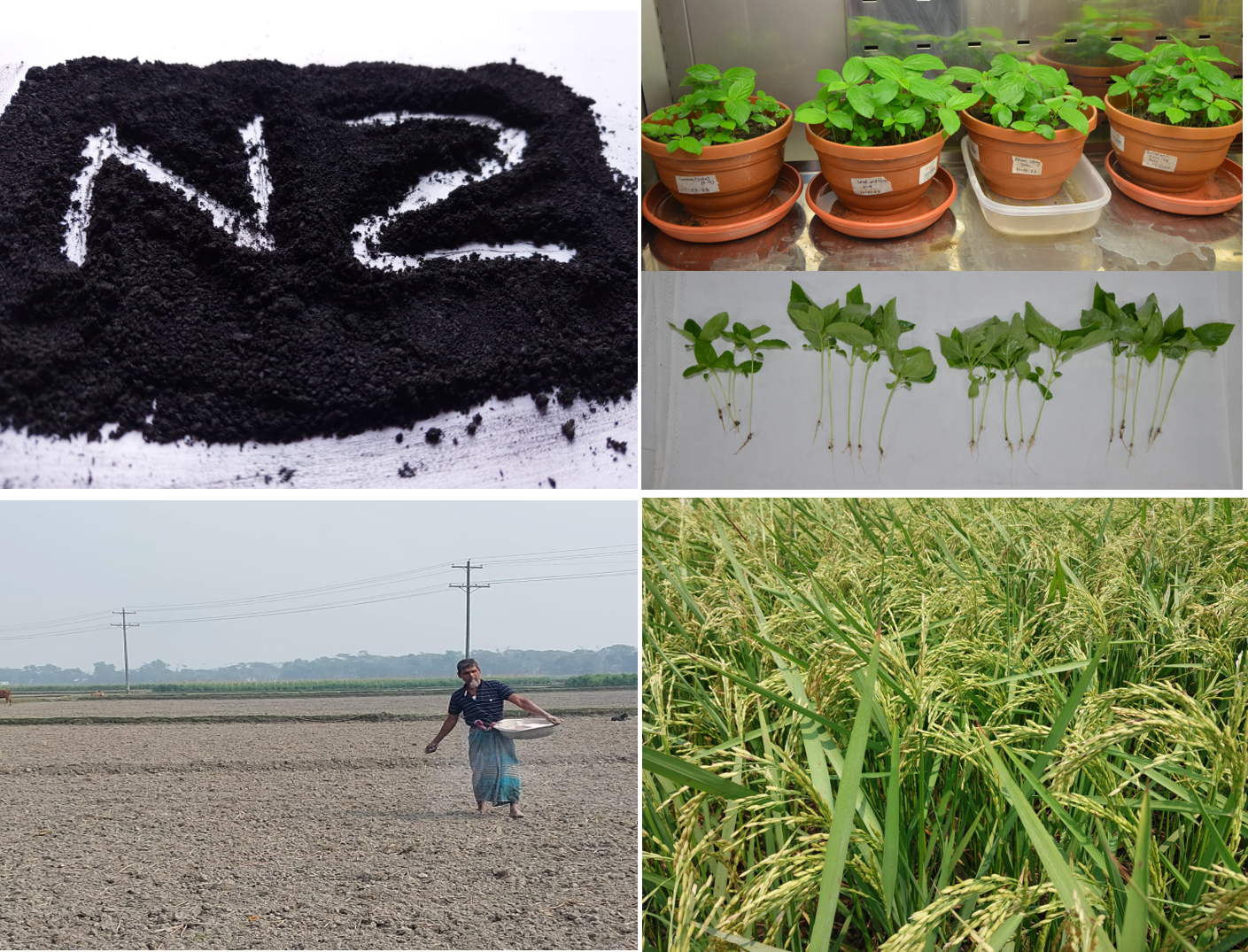
Investigation and development of Burkholderia contaminans NZ, a beneficial plant-associated bacterium, as a microbial bioinoculant for sustainable crop production and biological control of plant pathogens. The research focuses on plant growth-promoting traits, antagonistic activity against phytopathogens, and the molecular and biochemical mechanisms underlying pathogen suppression. Particular emphasis is placed on the interaction between B. contaminans NZ and the fungal phytopathogen Macrophomina phaseolina, including antimicrobial metabolite production, hydrolytic enzyme activity, and pathogen-response mechanisms. The research also includes development and evaluation of microbial formulations to maintain bacterial viability and activity under storage and agricultural conditions, with the long-term goal of developing practical biological alternatives to conventional agrochemicals.
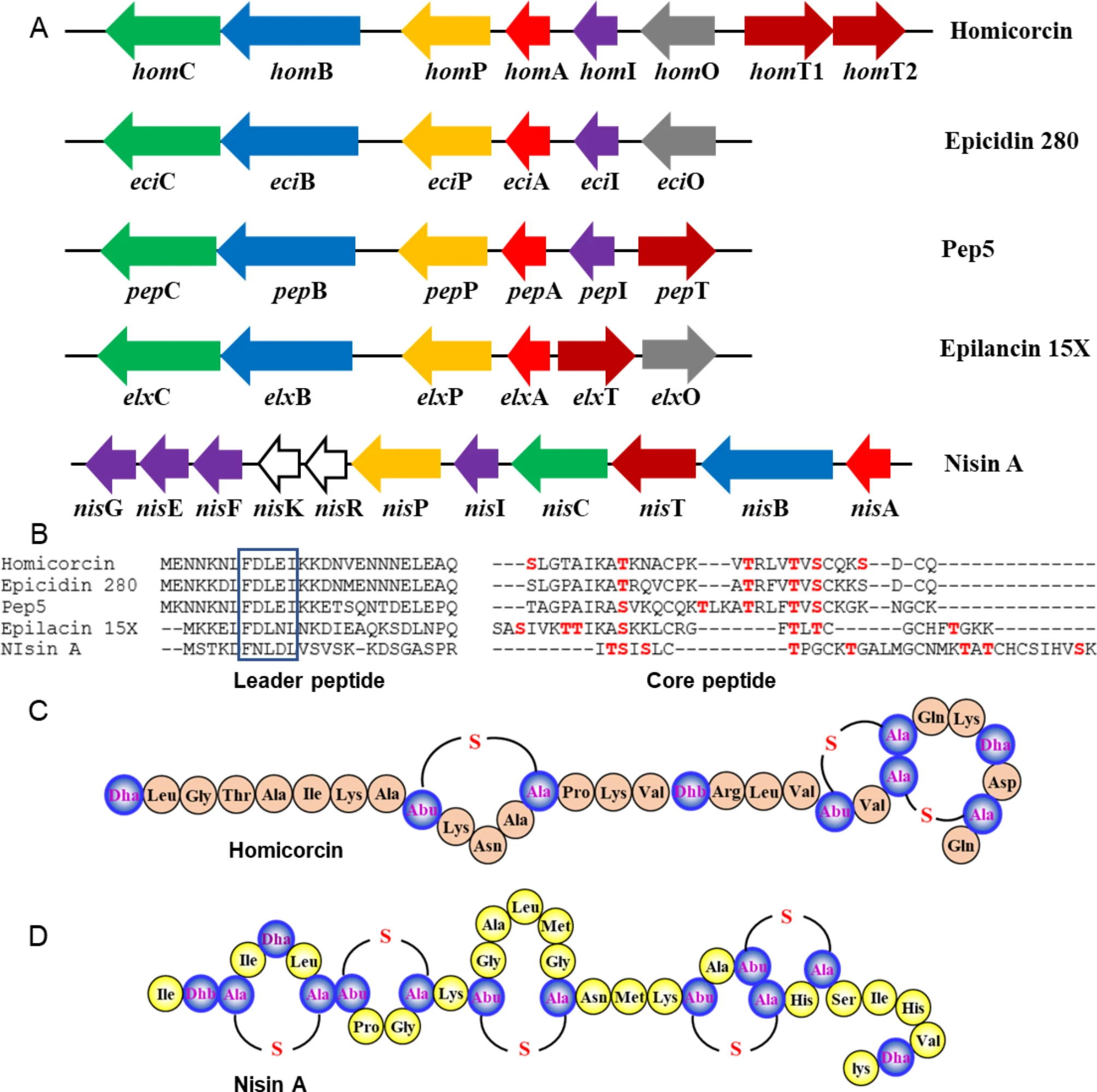
Discovery, characterization, and mechanistic investigation of homicorcin, a novel lantibiotic produced by the jute endophyte Staphylococcus hominis strain MBL_AB63. The research integrates microbial isolation and antimicrobial screening with genome mining, biosynthetic gene cluster identification, characterization of the homicorcin biosynthetic machinery, and investigation of its antimicrobial properties. Subsequent work focuses on understanding the molecular mechanism and biosynthesis of homicorcin through comparative genomic and in silico analyses, including precursor processing, post-translational modification, and structural features associated with lantibiotic production. The research aims to expand the diversity of naturally occurring antimicrobial peptides and establish plant-associated microorganisms as sources of novel antimicrobial compounds with potential applications in biotechnology and antimicrobial development.
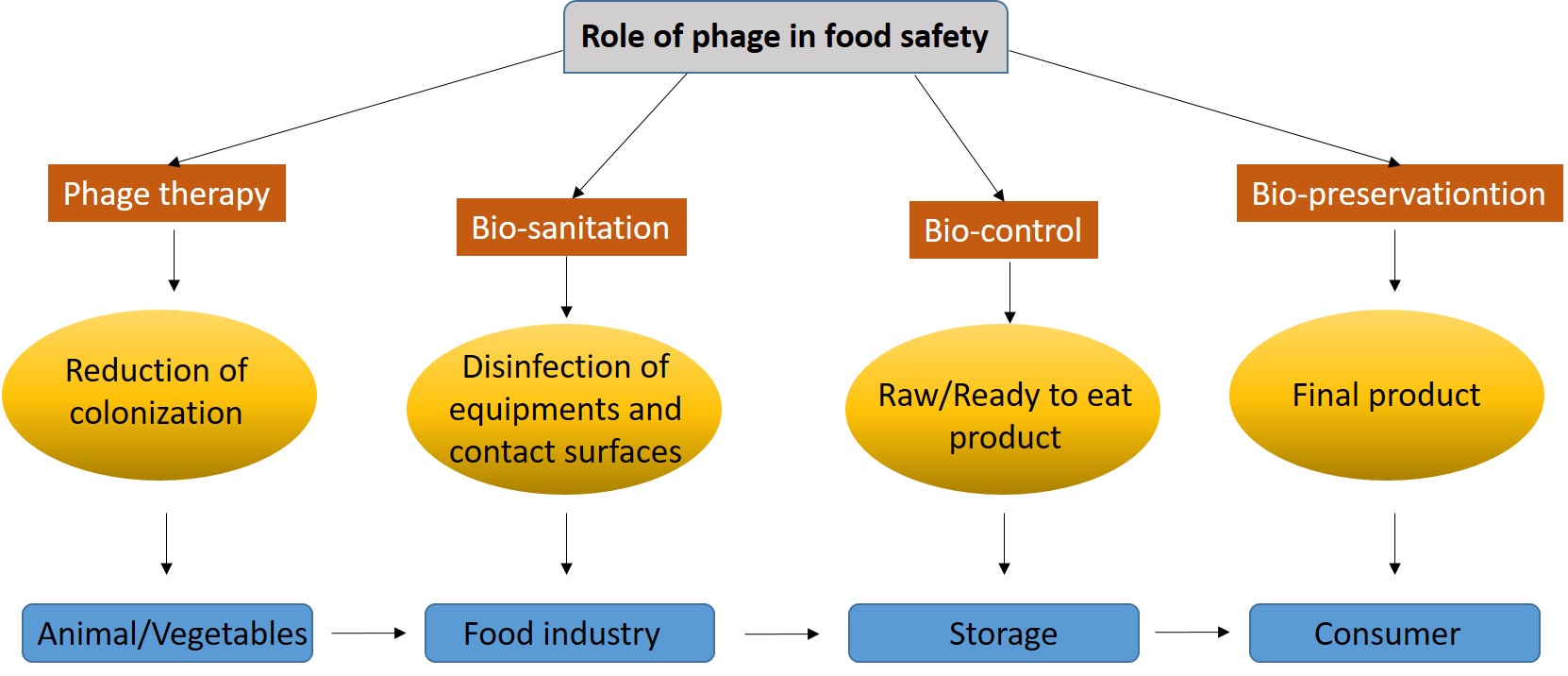
Development of bacteriophage-based biocontrol strategies against foodborne bacterial pathogens, with a current focus on Salmonella. The research involves isolation and screening of lytic bacteriophages, host-range determination, optimization of phage propagation, and detailed biological characterization of selected phages. Characterization includes adsorption kinetics, one-step growth analysis, plaque-forming activity, latent period, burst size, stability, and phage-host interactions. Selected phages are further investigated using transmission electron microscopy and whole-genome sequencing to determine their morphology, genomic characteristics, and suitability for biocontrol applications. The project also focuses on developing phage cocktails containing complementary phages and evaluating their effectiveness against Salmonella under food-relevant conditions, including assessment of activity against bacterial biofilms. The overall objective is to develop scientifically validated phage-based interventions that can complement conventional approaches for controlling foodborne pathogens.
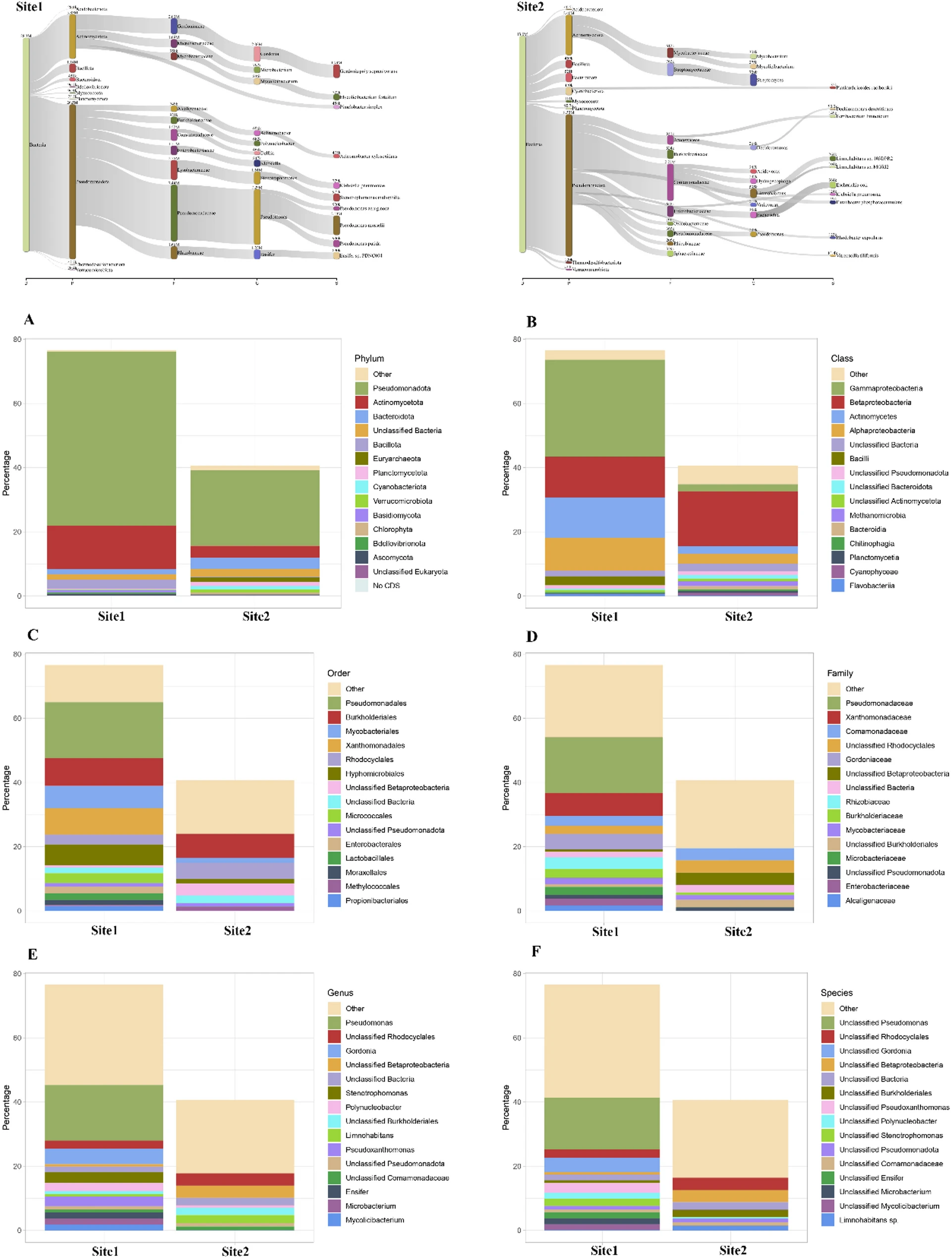
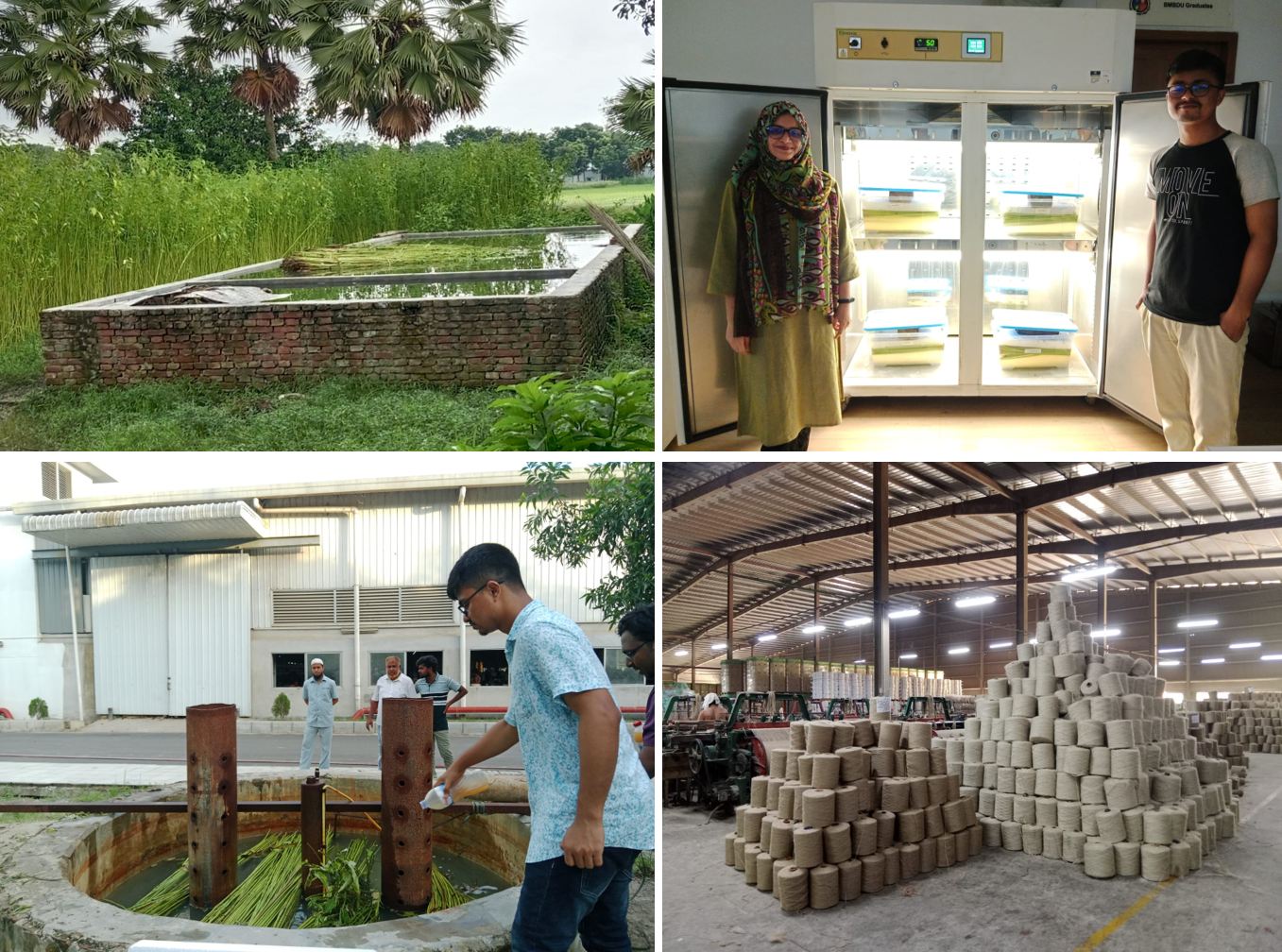
Development of customized microbial consortia for accelerated and improved jute retting as an environmentally sustainable alternative to conventional long-duration retting processes. The research combines isolation and screening of indigenous retting microorganisms with culture-independent metagenomic analysis to characterize microbial succession and functional changes throughout the retting process. Particular emphasis is placed on carbohydrate-active enzymes (CAZymes), including glycoside hydrolases, carbohydrate esterases, polysaccharide lyases, auxiliary activities, and carbohydrate-binding modules involved in degradation of pectin, hemicellulose, and other non-cellulosic components of jute biomass. Optimized microbial consortia are evaluated for their ability to reduce retting duration while maintaining or improving fiber quality, crystallinity, tensile properties, and overall processing performance. The research integrates microbial community profiling, functional metagenomics, and fiber characterization to understand the biological mechanisms underlying efficient retting and support modernization of the jute fiber-processing industry.
Metagenomic investigation of antimicrobial resistance and heavy metal resistance in environmentally important rivers of Bangladesh to understand the diversity, abundance, and potential dissemination of resistance determinants in aquatic ecosystems. The research employs shotgun metagenomic sequencing and computational analysis to characterize microbial communities, antibiotic resistance genes (ARGs), heavy metal resistance genes (HMRGs), and associated functional pathways. Particular emphasis is placed on identifying resistance gene categories, examining their distribution across river environments, and investigating the ecological relationship between antimicrobial and metal resistance. Bioinformatic approaches are used for taxonomic profiling, functional annotation, resistome characterization, and investigation of potentially important resistance determinants and their microbial hosts. The research aims to establish baseline information on environmental resistance reservoirs in Bangladesh and contribute to understanding the potential role of aquatic ecosystems in the persistence and dissemination of antimicrobial resistance.