News and Events
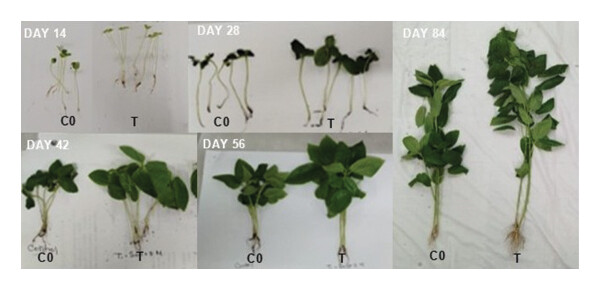
Researchers from the Molecular Biology Lab, Department of Biochemistry and Molecular Biology, University of Dhaka, have published a new study exploring the microbial drivers of soil carbon cycling and their potential for sustainable agriculture. Led by Oloka Shushupti and the research team, the study investigated soils from hill forest, piedmont, and coastal plain ecosystems across the Teknaf Peninsula of Bangladesh. The researchers analyzed soil carbon characteristics, biochemical properties, and carbon-cycling enzyme activities while isolating 51 native bacterial strains. Eight high-performing, multifunctional isolates were selected for bioinoculant consortium development and identified through 16S rRNA sequencing as Bacillus spp. In pot trials, the bacterial consortium enhanced jute growth by 21–92%, while also helping maintain higher soil organic carbon (13–19%) and labile carbon levels (11–176%) throughout the cropping period. The findings demonstrate the potential of native microbial consortia to simultaneously support crop productivity and soil carbon retention, offering a promising microbial approach for eco-friendly soil management and sustainable agriculture.
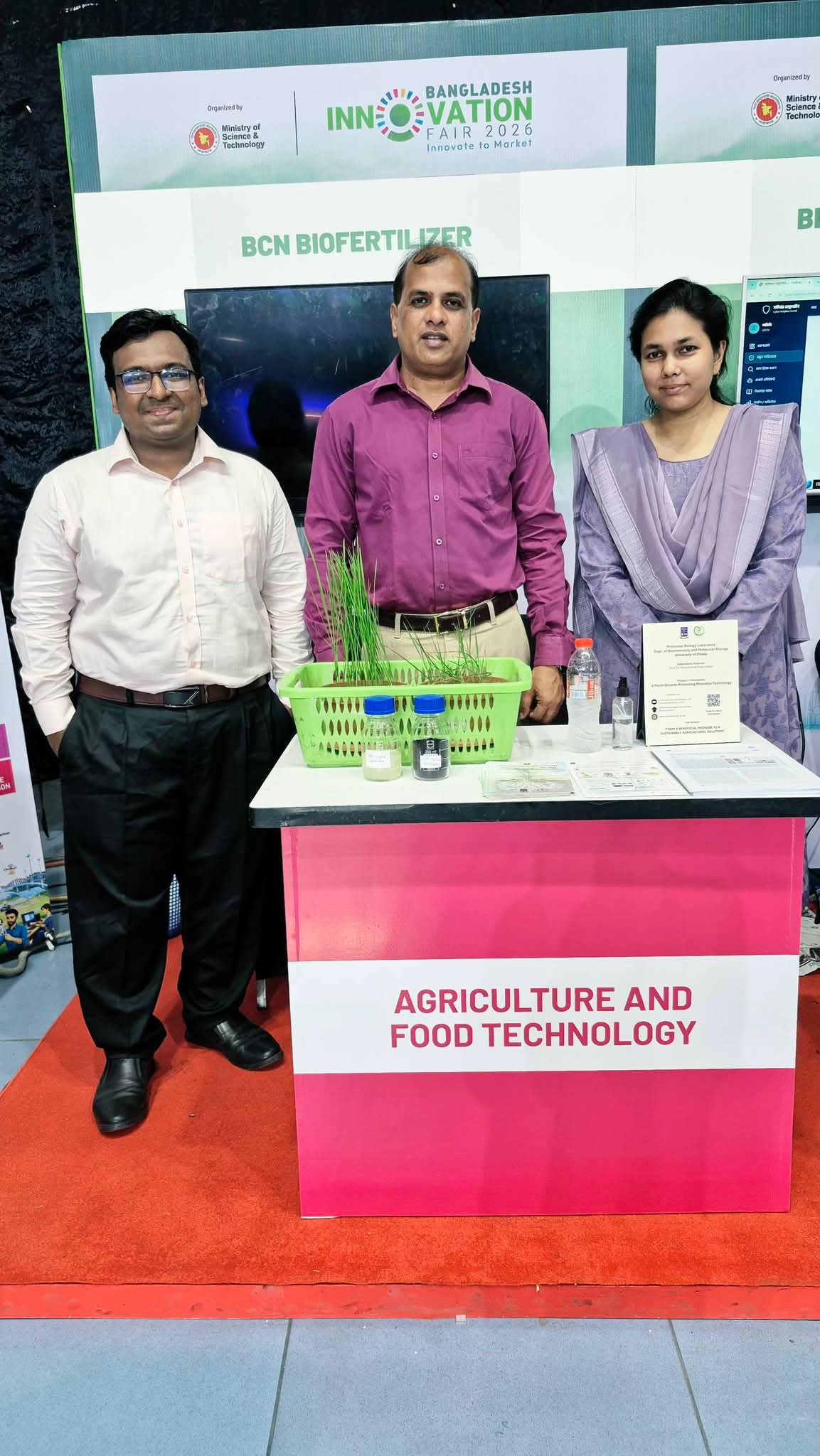
We are proud to announce that the Molecular Biology Lab, Department of Biochemistry and Molecular Biology, University of Dhaka, has been selected among the Top 50 innovations from more than 900 submissions at the Bangladesh Innovation Fair 2026. The lab was awarded a dedicated stall to showcase its innovative BCN biofertilizer and its potential for sustainable agriculture. Led by Prof. Mohammad Riazul Islam, the team included Fahmida Anika Khan and Md. Rezaul Karim Rana. The team had the opportunity to present the innovation before the Hon’ble Prime Minister of Bangladesh, the Minister of the Ministry of Science and Technology, and distinguished visitors from the scientific community, agricultural sector, industry, academia, and student community. The event provided an exciting platform to demonstrate how research from our laboratory can be translated into practical, sustainable solutions for agriculture and beyond.
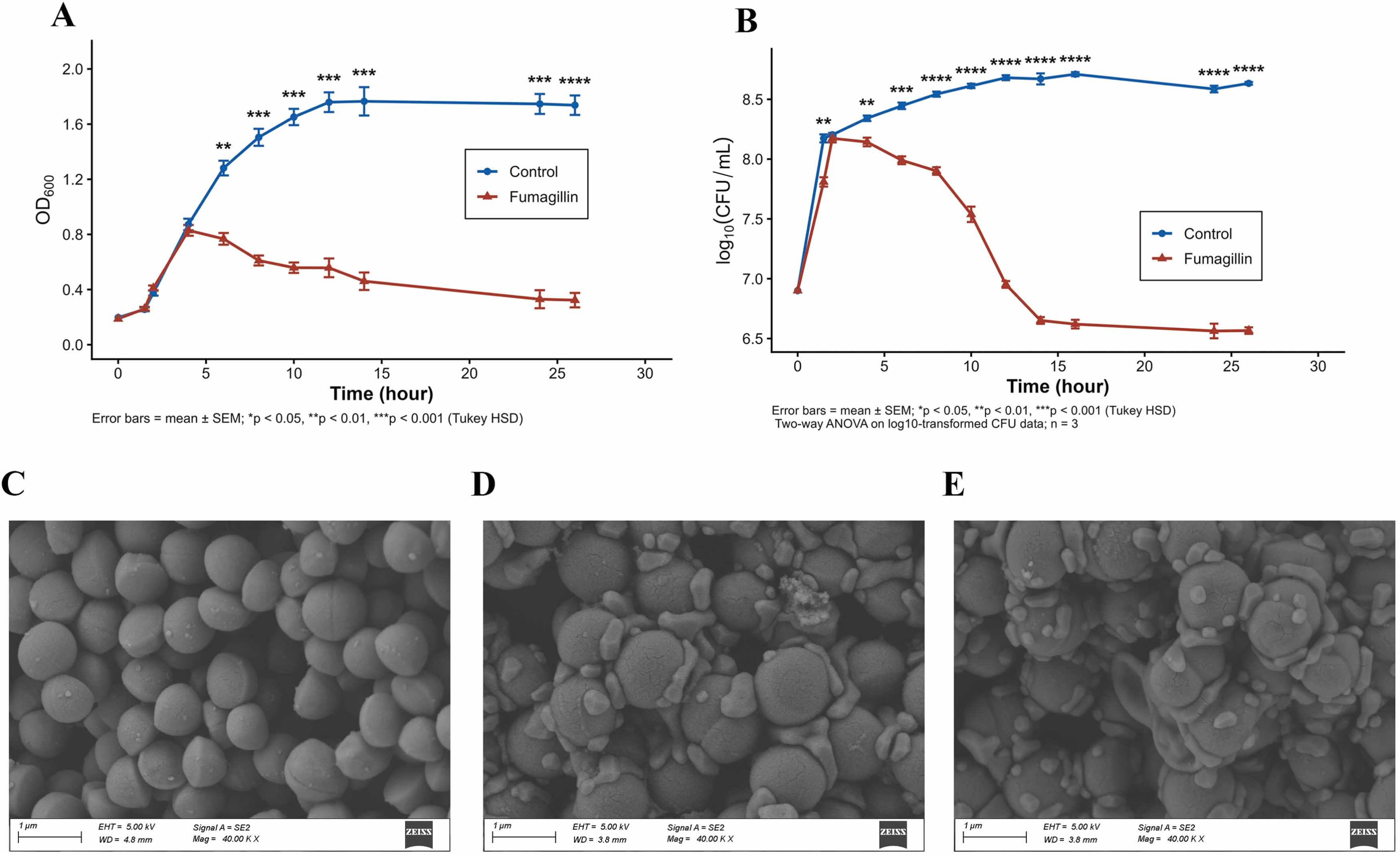
Researchers from the Molecular Biology Lab have identified and characterized fumagillin, a bioactive antibiotic isolated from the jute endophytic fungus Aspergillus fumigatus MBL_F107. In response to the growing threat of multidrug-resistant bacteria, particularly methicillin-resistant Staphylococcus aureus (MRSA), the study explored the extraction, purification, structural characterization, and antibacterial activity of the compound. Using ethyl acetate extraction and RP-HPLC purification, followed by FTIR, LC-ESI-MS, and NMR analyses, the compound was identified as fumagillin. Notably, fumagillin retained its antibacterial activity under elevated temperatures and across a broad range of pH conditions. Experimental investigations demonstrated bactericidal activity against MRSA and other bacterial strains, as well as antifungal activity. Mechanistic studies indicated inhibition of protein synthesis, while FE-SEM analysis revealed significant deformation of bacterial cells. The findings highlight jute-associated endophytes as promising sources of bioactive natural products and position fumagillin as a potential candidate for future antimicrobial development.
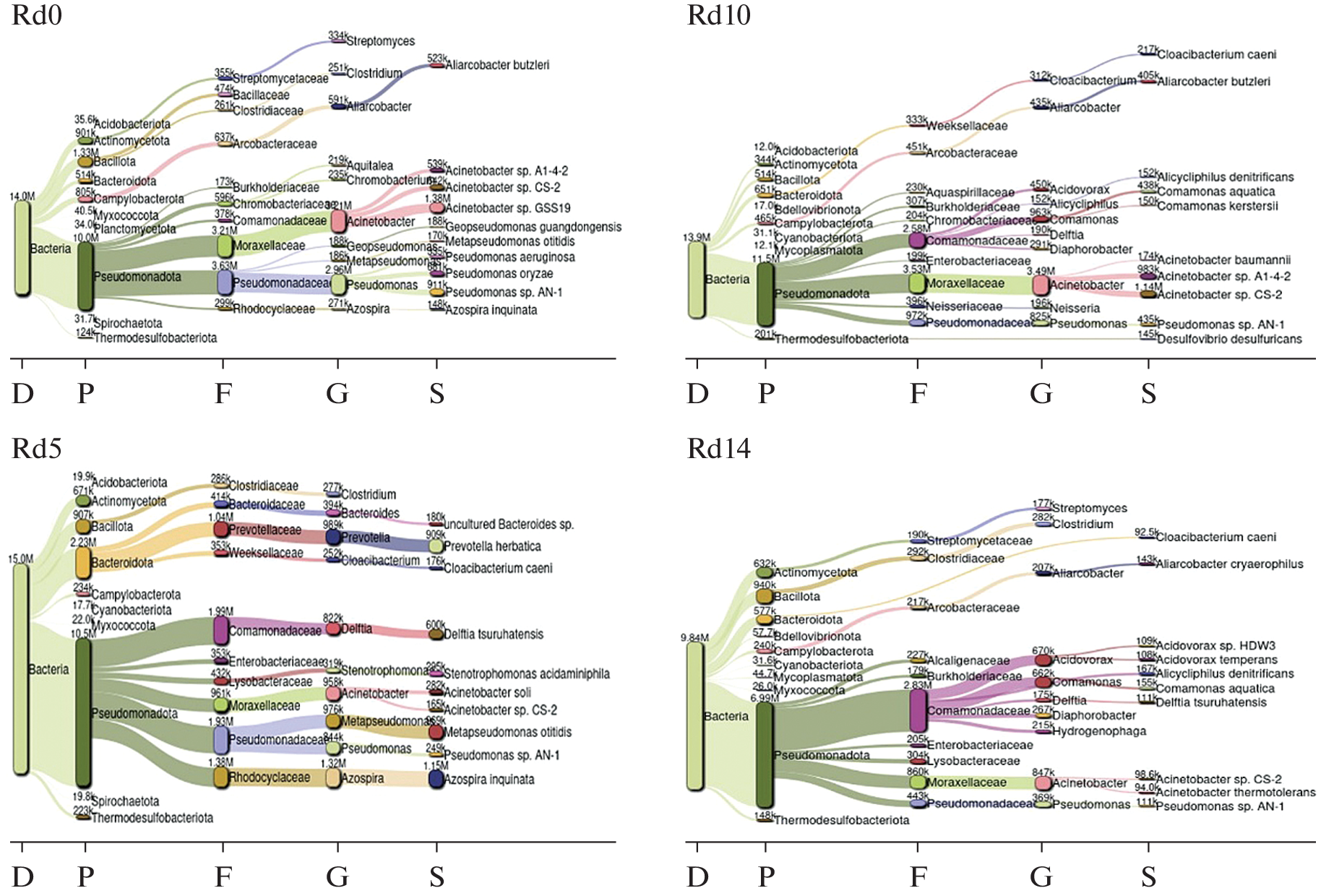
Our laboratory have published a study in Microbiology revealing how microbial communities and carbohydrate-active enzymes (CAZymes) change throughout the jute retting process. Using whole-metagenome shotgun sequencing, the study identified stage-specific microbial and functional shifts that contribute to the breakdown of pectin, hemicellulose, cellulose, and lignocellulosic components. Proteobacteria dominated the retting process, while Acinetobacter and Pseudomonas were prominent during the early stages and Clostridium became more abundant later. CAZyme analysis showed that glycosyl hydrolases peaked at day 5, while polysaccharide lyases and auxiliary activity enzymes increased toward day 14. The findings provide valuable insights for designing targeted microbial consortia and enzyme-based strategies to improve retting efficiency, reduce processing time, and support sustainable natural fiber production.
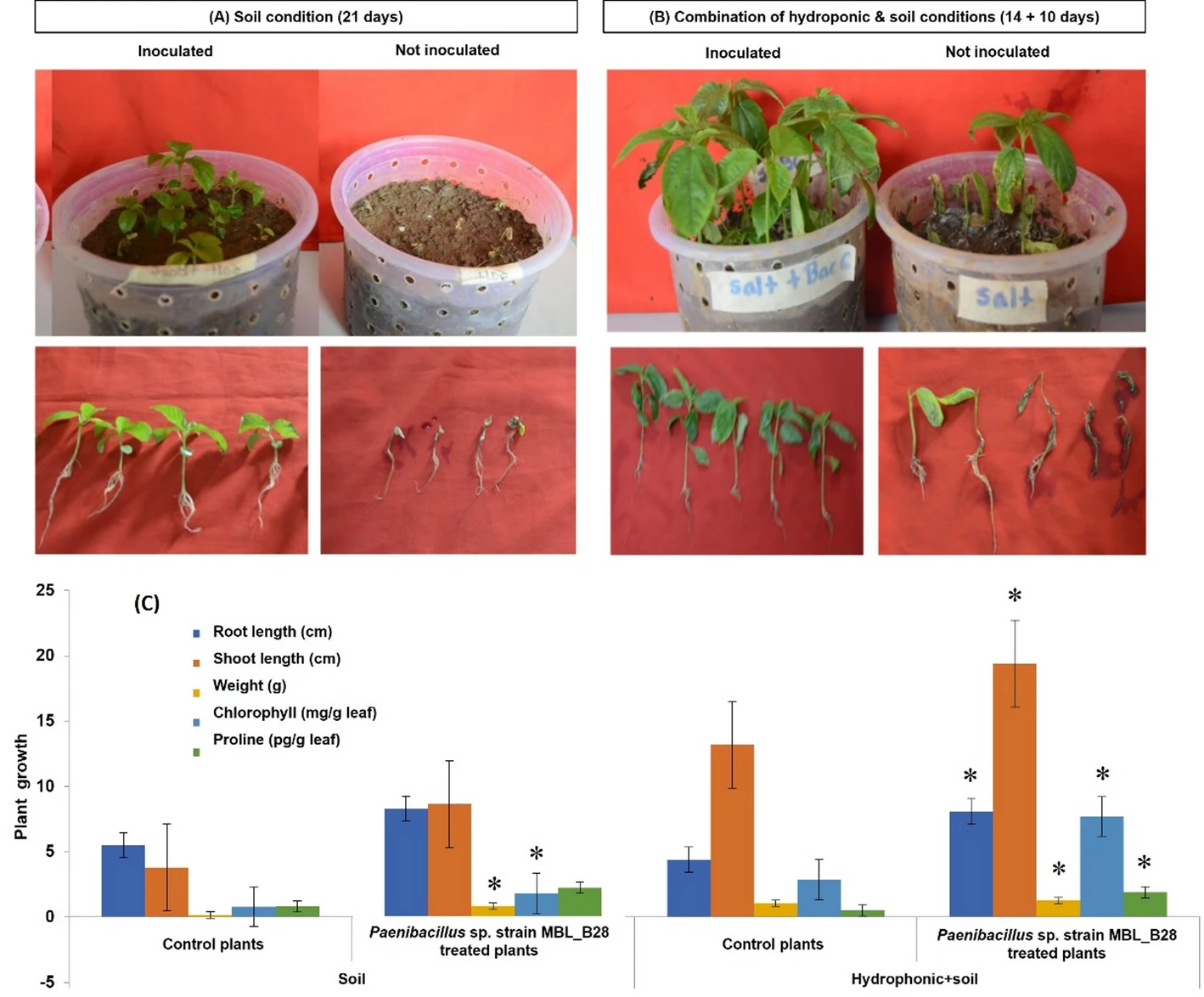
Our laboratory have reported that the jute endophytic bacterium Paenibacillus sp. strain MBL_B28 can promote plant growth under both normal and saline conditions. Published in Discover Plants, the study highlights the strain’s production of ACC deaminase, an important plant growth-promoting enzyme that helps plants cope with stress by regulating ethylene levels. The research evaluated MBL_B28 in both jute and rice using hydroponic, soil-based, and hybrid cultivation systems, demonstrating its potential across different crops and growth conditions. These findings support the development of beneficial microbial inoculants for sustainable agriculture, particularly in areas affected by soil salinity.
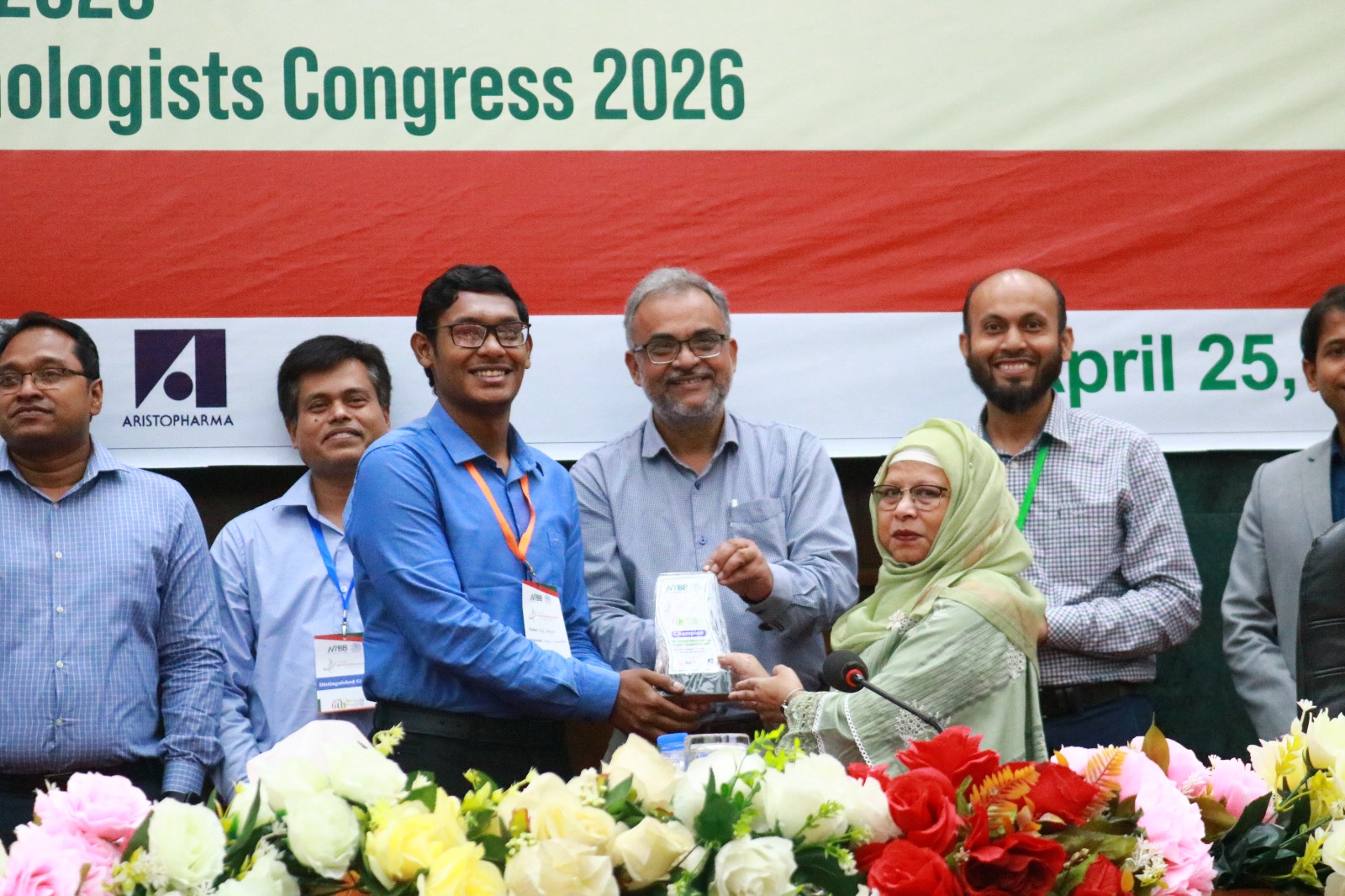
Atiq Akhyar (MS thesis student) won 1st Prize at the Future Biotechnologists Summit and the 6th International Young Biotechnologists Congress 2026 for the research project “Construction of Homicorcin Variants with Enhanced Productivity and Activity through In-silico and In-vivo Techniques.” The project explores the development of improved variants of homicorcin, a novel lantibiotic, using complementary computational and experimental approaches. This work aims to enhance the productivity and antimicrobial activity of homicorcin and further advance its potential as a novel antimicrobial compound. The achievement recognizes the innovative nature of the research and its potential contribution to microbial biotechnology and antimicrobial discovery.
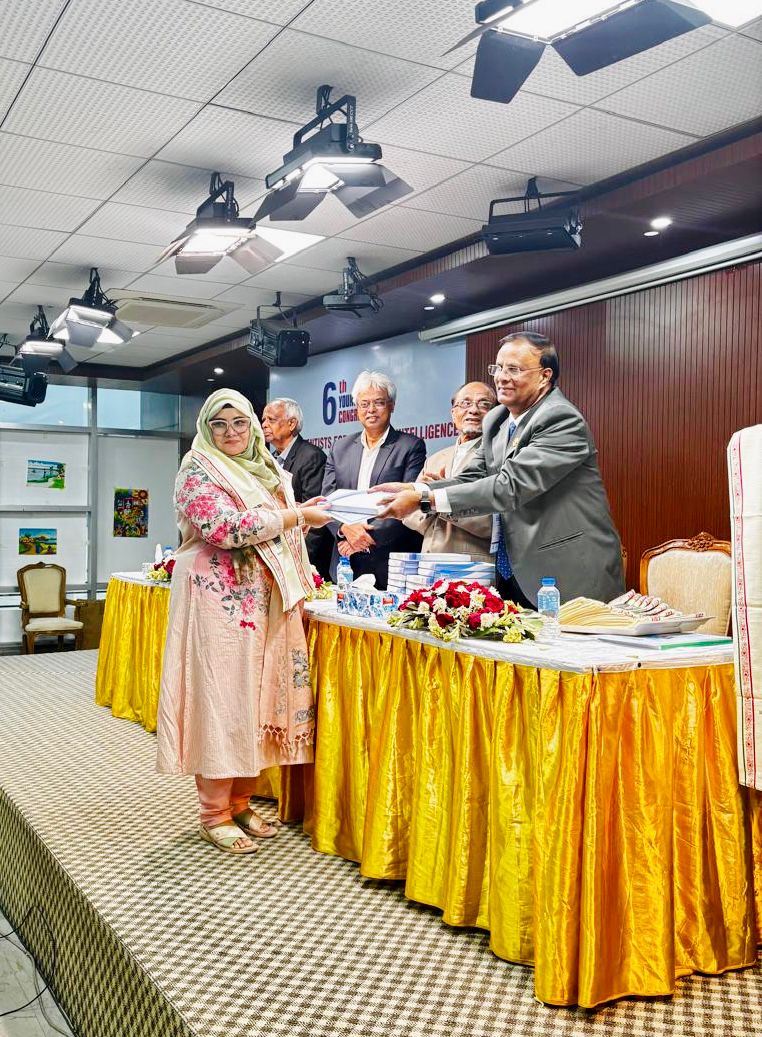
Our PhD student Babry Fatema won the 1st Prize in the Poster Award category at the 6th Young Scientist Congress, organized by the Bangladesh Academy of Sciences. Her research project, “Resistome Profiling and Plasmid Phylodynamics of Multidrug-Resistant Diarrheal E. coli from Bangladesh,” investigates the genetic basis and evolution of antimicrobial resistance in diarrheal Escherichia coli. The study combines resistome profiling with plasmid phylodynamic analysis to better understand the distribution and transmission of antibiotic resistance determinants among multidrug-resistant bacterial strains. This achievement highlights Babry’s research excellence and contributes to our laboratory’s broader efforts in antimicrobial resistance surveillance, microbial genomics, and public health-oriented research.
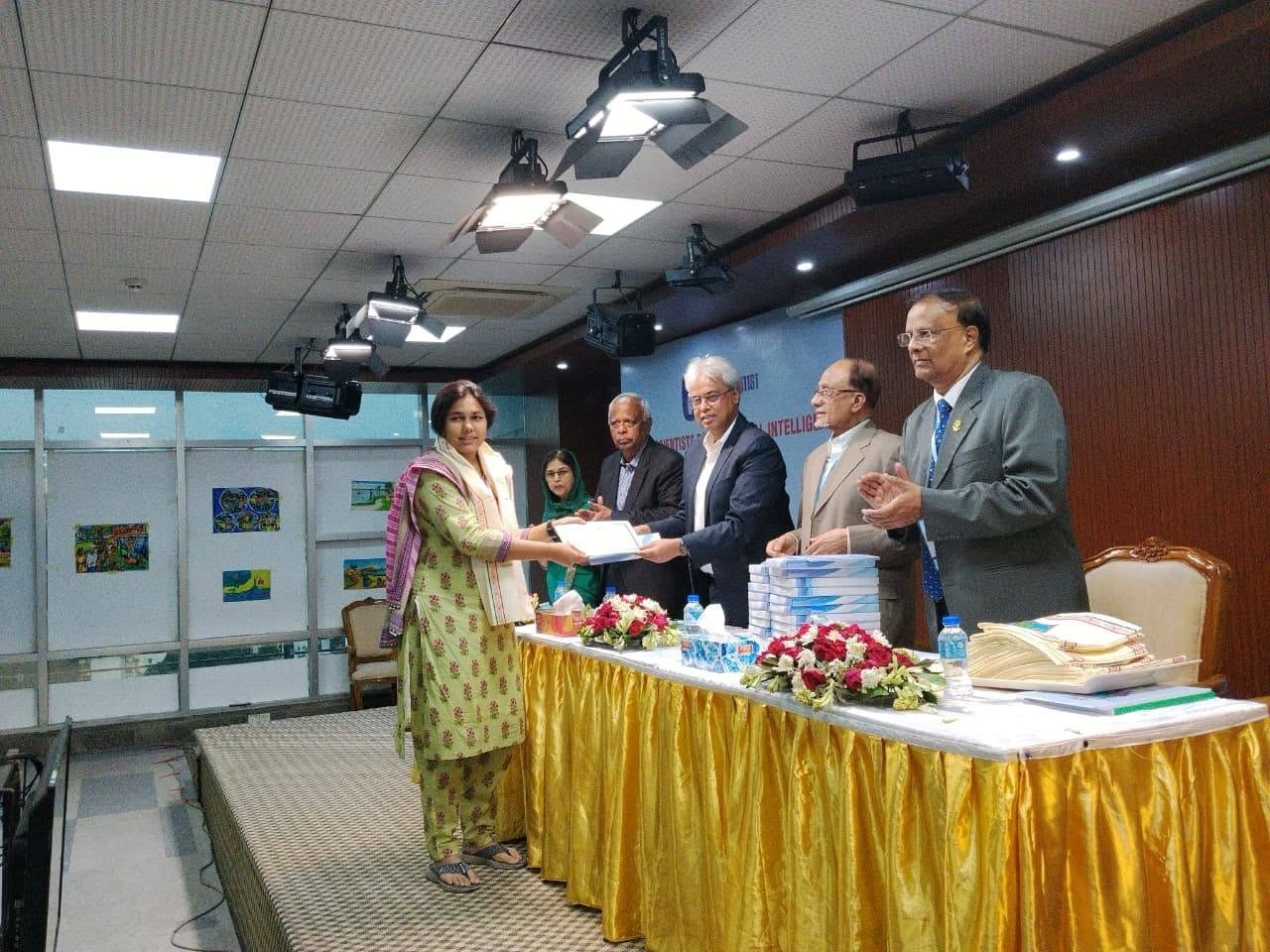
Fahmida Anika Khan (PhD student) received the Best Poster Award at the 6th Young Scientist Congress 2026 for her research titled “Functional Restructuring of the Rice Rhizosphere Microbiome Induced by Burkholderia contaminans NZ.” Her research investigates how the beneficial bacterium Burkholderia contaminans NZ influences the microbial community and functional characteristics of the rice rhizosphere. The study contributes to understanding plant–microbe interactions and the potential of beneficial microorganisms to improve agricultural productivity and soil health. The award recognizes her research contribution and presentation at a platform dedicated to showcasing innovative research by young scientists.
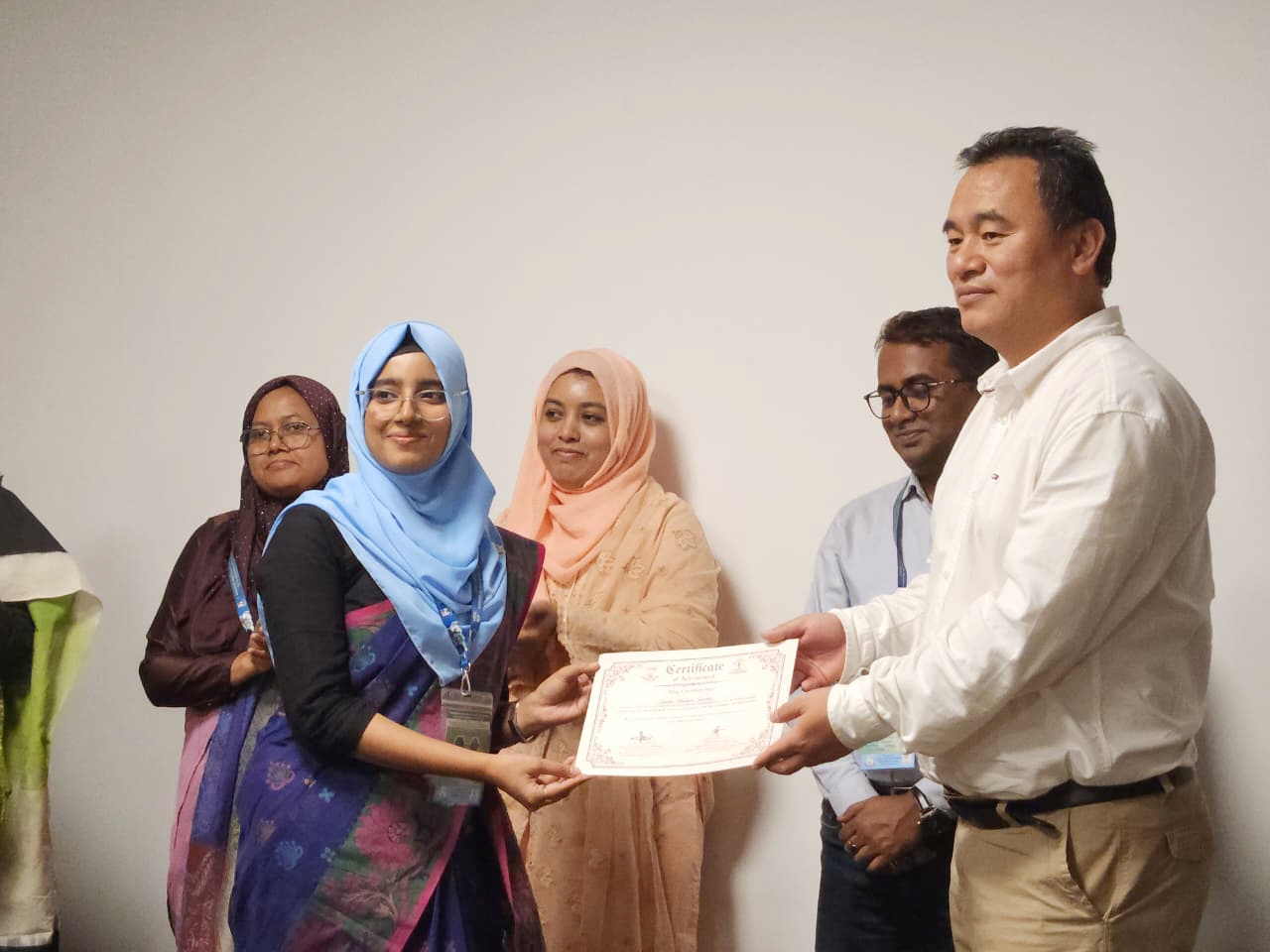
Amina Khatun Sweety (MS thesis student) secured 1st Prize in the Oral Presentation category at the 1st International Conference on Life and Earth Sciences for Sustainable Development (ICLESSD-2025). She presented her research titled “Understanding the Lipid Metabolism of Hilsa (Tenualosa ilisha) for Adaptation and Migration through Transcriptome Profiling of Muscle and Brain Tissues from Different Habitats.” The study investigates molecular and transcriptomic mechanisms associated with lipid metabolism in Hilsa and their potential role in adaptation and migration across different habitats. This achievement highlights the importance of molecular research in understanding the biology and environmental adaptation of this economically and ecologically important fish species.
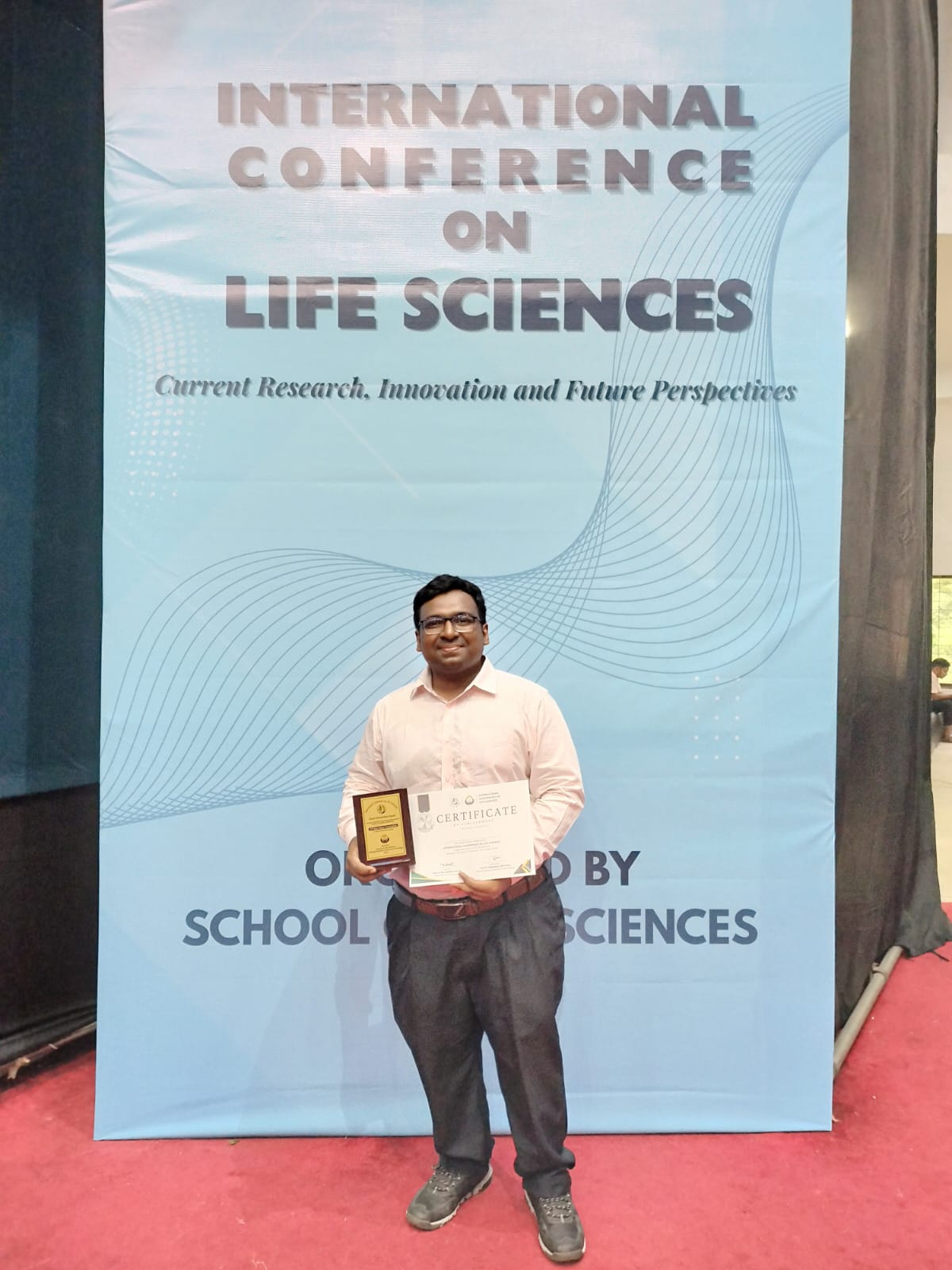
Md. Rezaul Karim Rana received the 2nd Best Poster Award in the Microbial, Environmental, and Industrial Biotechnology category at the International Conference on Life Sciences for his research titled “Translating Science into Solution: An Advanced Microbial Formulation Improves Jute Retting with Enhanced Fiber Quality.” The research presents an advanced microbial formulation designed to accelerate jute retting while improving fiber quality. By translating microbial biotechnology into a practical jute-processing solution, the work addresses the need for faster, more sustainable, and efficient retting technologies. The recognition highlights the potential of this research to contribute to modernization and sustainable development of the jute industry.
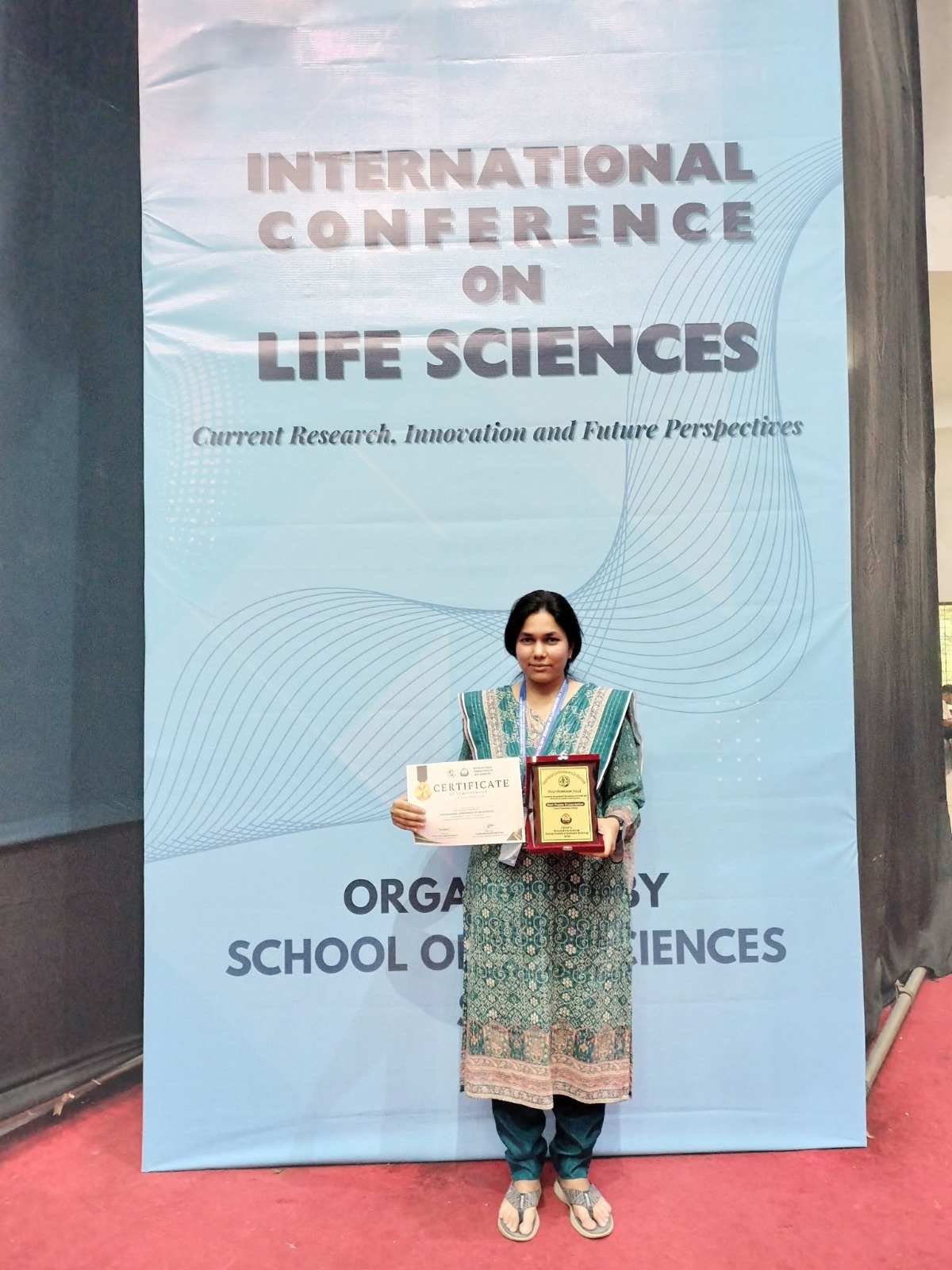
Fahmida Anika Khan (PhD student) received the Best Poster Award at the International Conference on Life Sciences for her research titled “Bioformulation of Burkholderia contaminans NZ for Safe and Sustainable Agriculture.” Her work focuses on developing a stable microbial formulation of the plant growth-promoting endophyte Burkholderia contaminans NZ for potential agricultural applications. The research aims to support sustainable crop production by utilizing beneficial microorganisms as alternatives to conventional agricultural inputs. The award recognizes the scientific quality and practical relevance of her work in microbial biotechnology and sustainable agriculture.
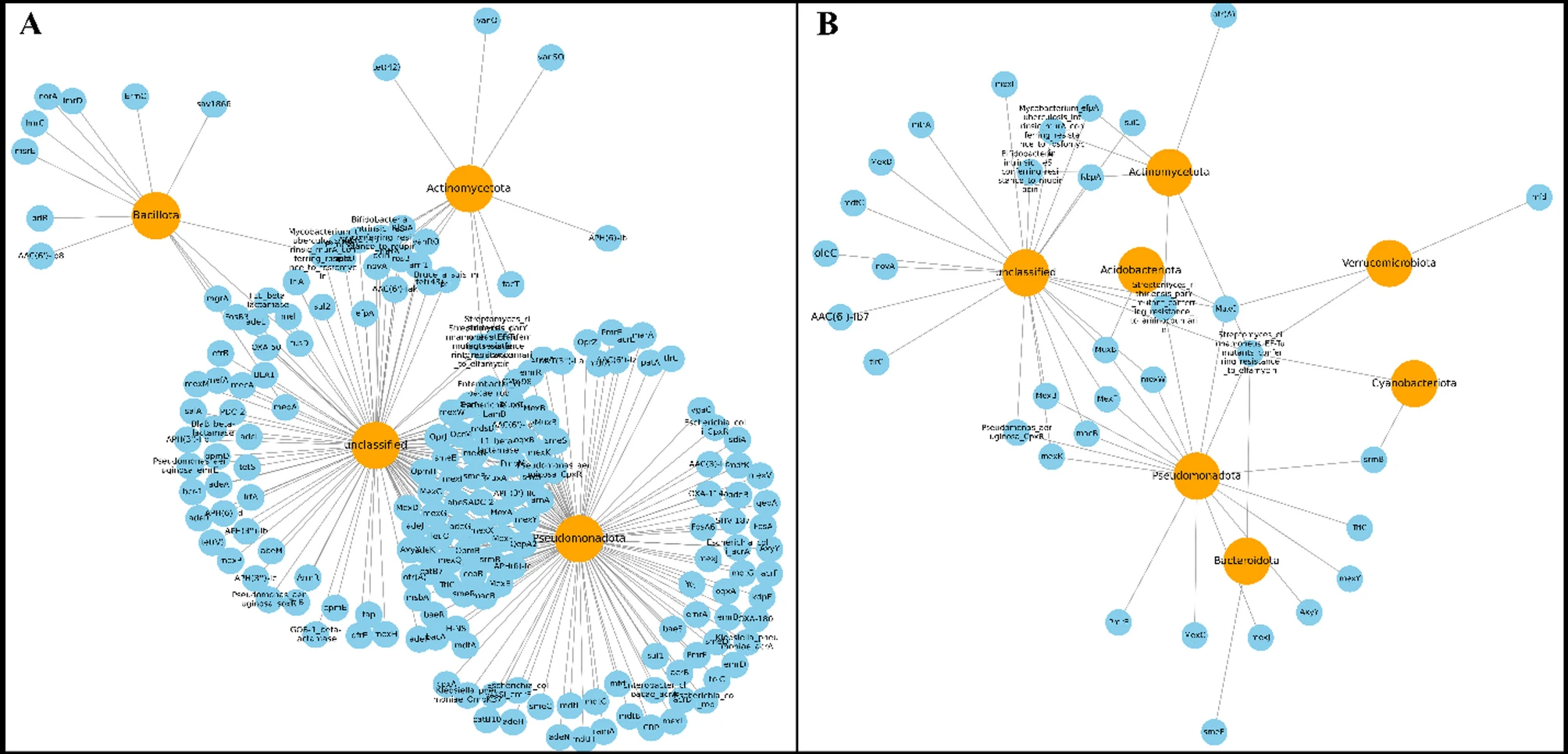
Our metagenomic study published in Annals of Microbiology provides important insights into antibiotic and heavy metal resistance gene diversity in two ecologically important rivers of Bangladesh. The research maps resistance-associated genes within riverine microbial communities and highlights the role of aquatic ecosystems in the environmental spread and persistence of antimicrobial and metal resistance. The findings provide valuable genomic evidence for environmental surveillance and contribute to a better understanding of resistance reservoirs in Bangladesh's aquatic ecosystems.
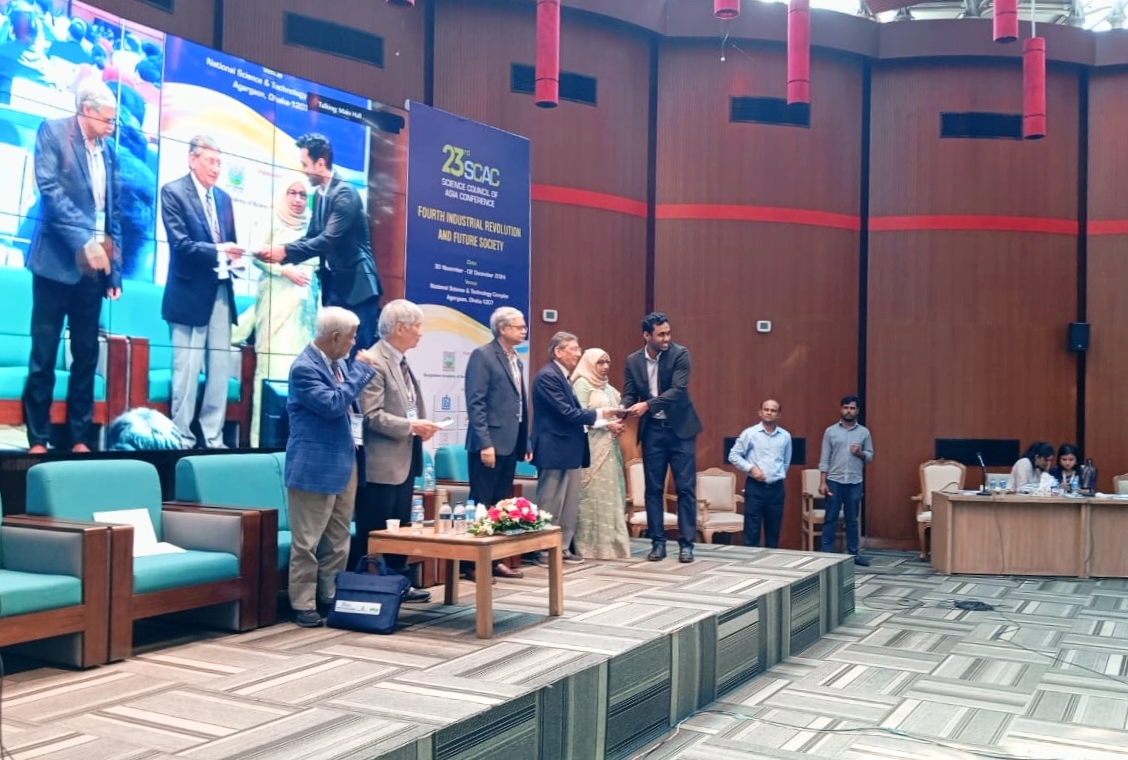
Our laboratory student Omar Faruk won the 1st Prize at the 23rd SCAC, organized around the theme “Fourth Industrial Revolution and Future Society” by the Bangladesh Academy of Sciences. His research project, “Fumagillin, an Antibiotic Isolated from Jute Endophytic Fungi Aspergillus fumigatus MBLF107,” highlights the potential of jute-associated endophytic fungi as a source of biologically active compounds. The study focuses on fumagillin, an antibiotic produced by Aspergillus fumigatus MBLF107, and demonstrates the value of exploring microbial resources associated with jute for the discovery of novel and useful bioactive metabolites. This achievement recognizes Omar’s research efforts and further highlights our laboratory’s work in microbial biotechnology, jute-associated microorganisms, and natural product discovery.
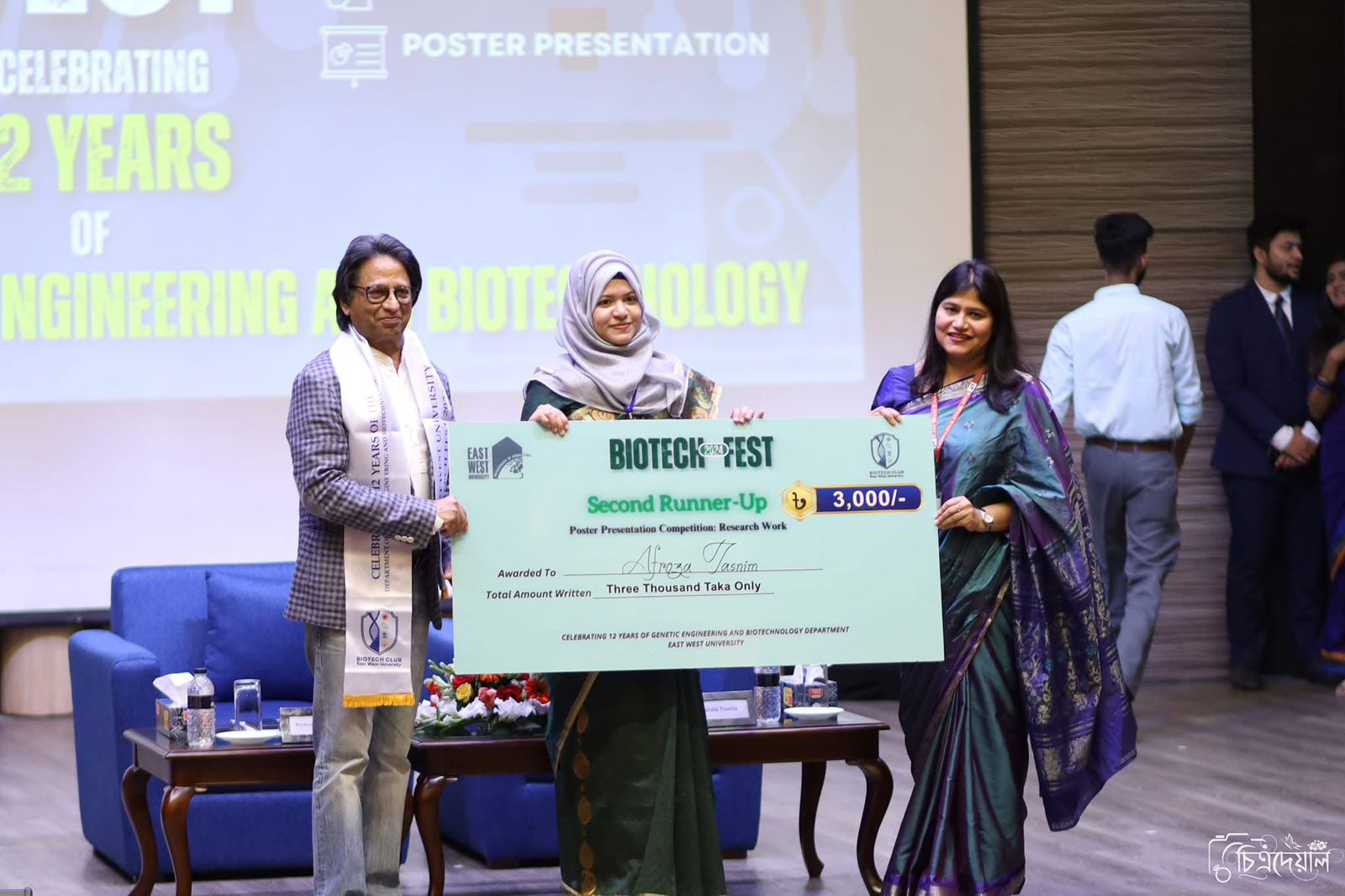
Afroza Tasnim achieved 2nd Runner-Up at Biotech Fest 2024 for her poster presentation titled “Unveiling the Biosynthesis Mechanism of Novel Lantibiotic Homicorcin: an in silico Analysis.” The work explores the biosynthetic mechanism of homicorcin, a novel lantibiotic produced by a plant-associated endophytic bacterium, using computational and in silico approaches. This recognition highlights the quality and significance of the research on novel antimicrobial compounds and the promising potential of microbial natural products for future biotechnology applications.
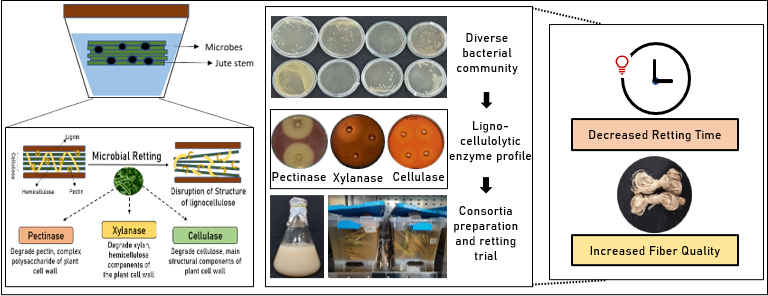
Our new study published in Industrial Crops and Products demonstrates an improved approach to jute ribbon retting using microbial consortia isolated from jute retting water. The research shows how naturally occurring microbial communities can be harnessed to improve the traditional retting process while supporting better fiber quality and more sustainable processing. The work represents an important step toward translating microbial biotechnology into practical solutions for modernization of the jute industry.
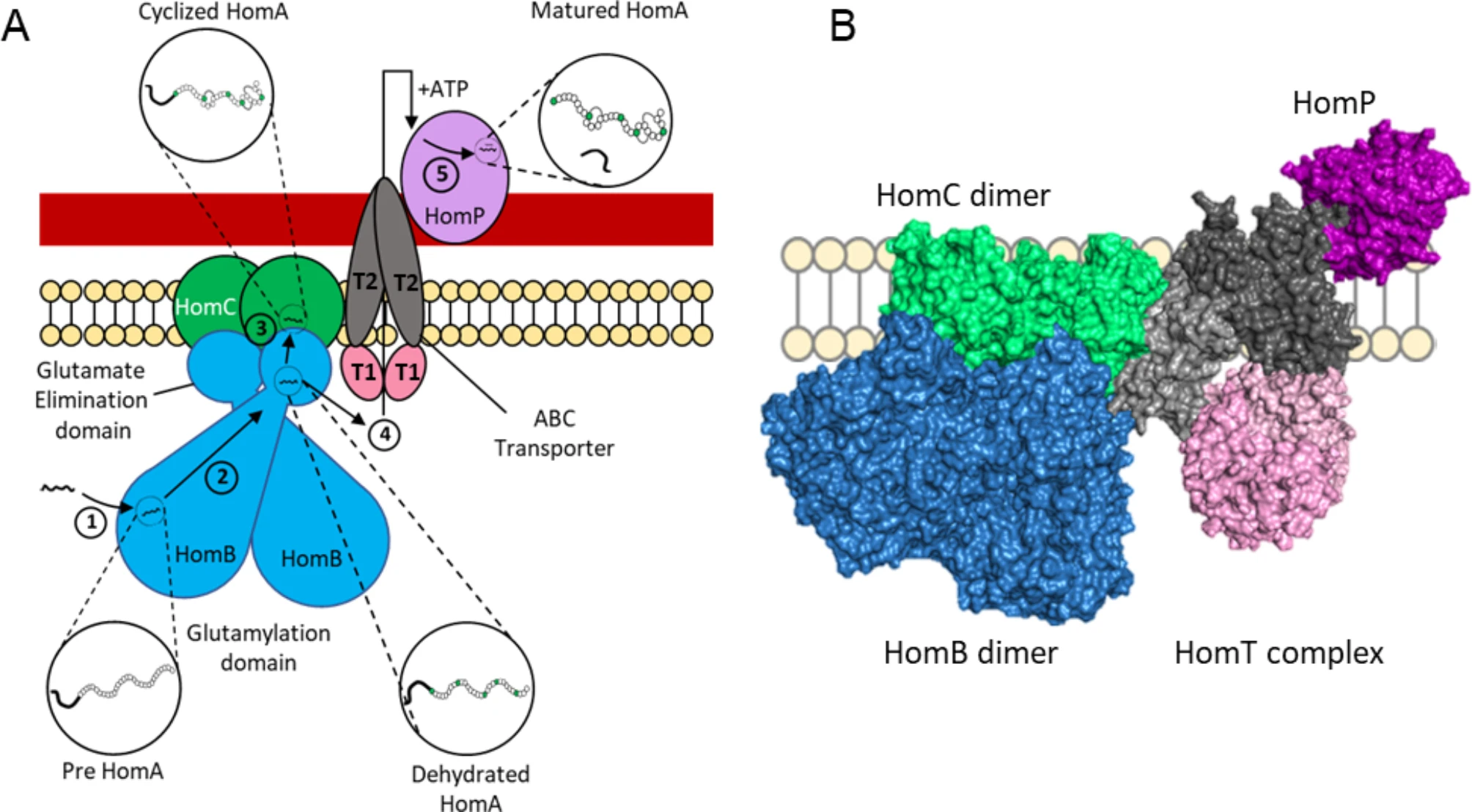
A new study published in Scientific Reports provides important insights into the biosynthesis of homicorcin, a novel lantibiotic produced by the plant endophyte Staphylococcus hominis strain MBL_AB63. Using in-silico approaches, the researchers investigated the molecular components and mechanisms involved in homicorcin production. The findings provide a foundation for understanding the biosynthetic pathway and may support future efforts to optimize production and investigate the broader antimicrobial potential of this promising natural product.
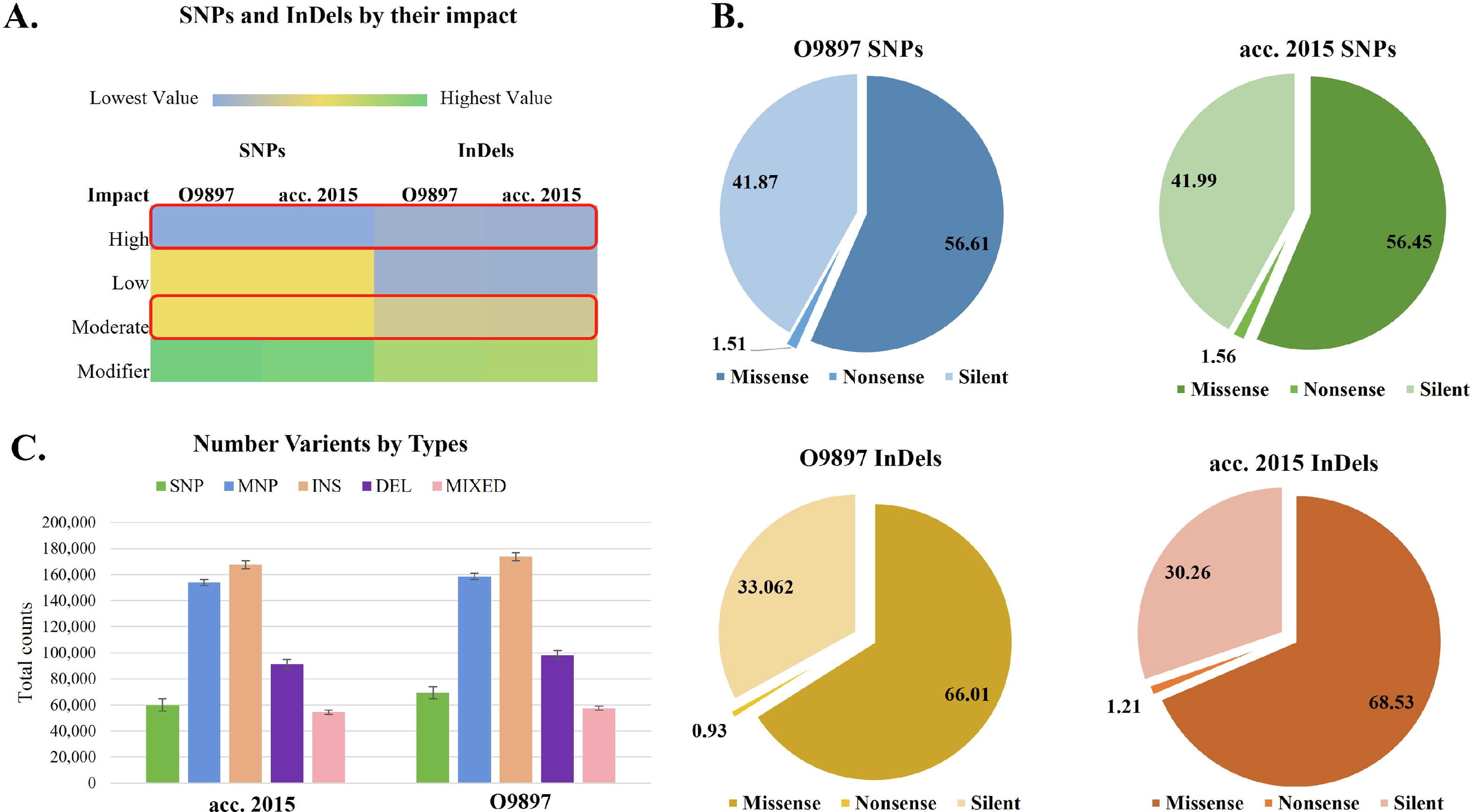
A whole-genome resequencing study has identified genomic variations associated with low-temperature stress tolerance in jute (Corchorus spp.). The research provides new insights into the genetic basis of cold-stress adaptation and identifies genomic information that may be useful for understanding and improving stress tolerance in jute. The findings contribute to the development of molecular resources for future breeding and genetic improvement of this important fiber crop.
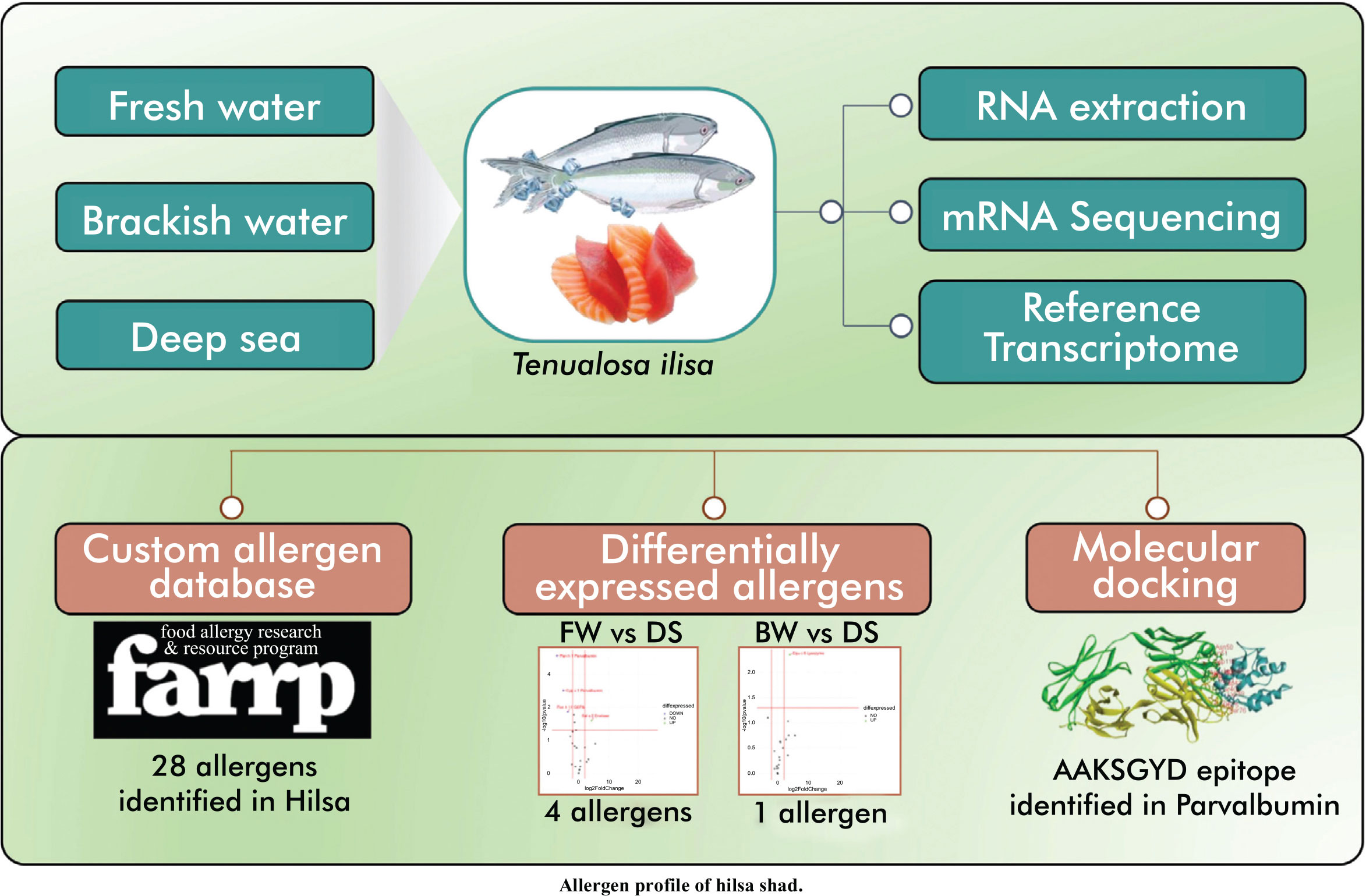
A new study examines the muscle transcriptome of mature Hilsa (Tenualosa ilisha) from different habitats to investigate habitat-associated differences in allergen-related proteins. The research provides molecular insights into the biological characteristics of Hilsa and its potential allergen profile. The findings contribute to a better understanding of habitat-specific molecular variation and may support future research in fish biology, food science, and seafood safety.
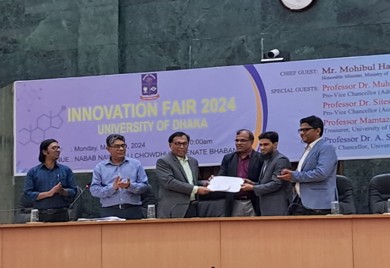
Our laboratory student Md. Amzad Hossain secured the 2nd Runner-Up position at the Innovation Fair for his project, “Process Development for Large-Scale Production of Novel Antibiotic ‘Homicorcin’.” The project focuses on developing an efficient and scalable production process for homicorcin, a novel lantibiotic discovered from the jute endophytic bacterium Staphylococcus hominis strain MBL_AB63. By addressing the transition from laboratory-scale discovery toward larger-scale production, the work highlights the potential for translating microbial natural-product research into practical biotechnology applications. This recognition reflects the innovative potential of our laboratory’s research in antibiotic discovery, microbial biotechnology, and bioprocess development.
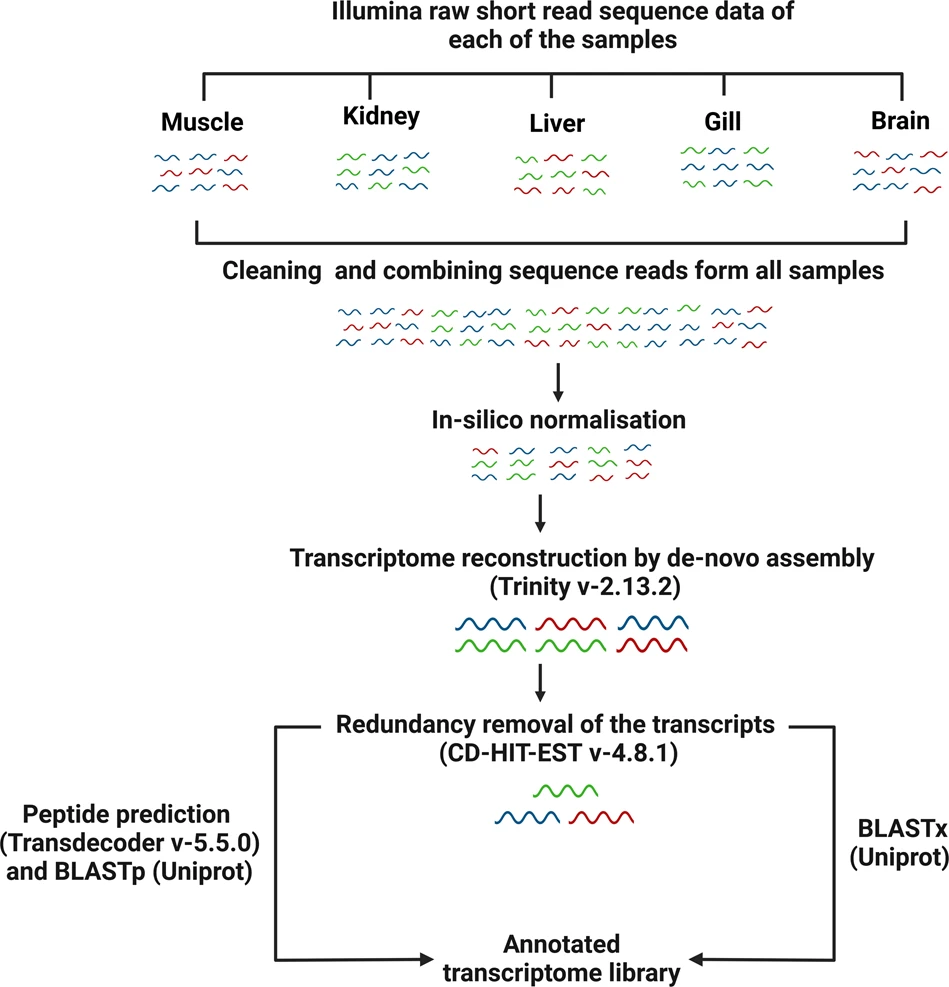
An integrated transcriptome catalog of Hilsa (Tenualosa ilisha) has been published in Scientific Data, providing a valuable genomic resource for gene discovery and expression profiling. The resource brings together extensive transcriptomic information from this economically and ecologically important fish species and can support investigations into gene function, biological pathways, physiology, adaptation, and molecular responses. The work strengthens the genomic foundation for future Hilsa research.
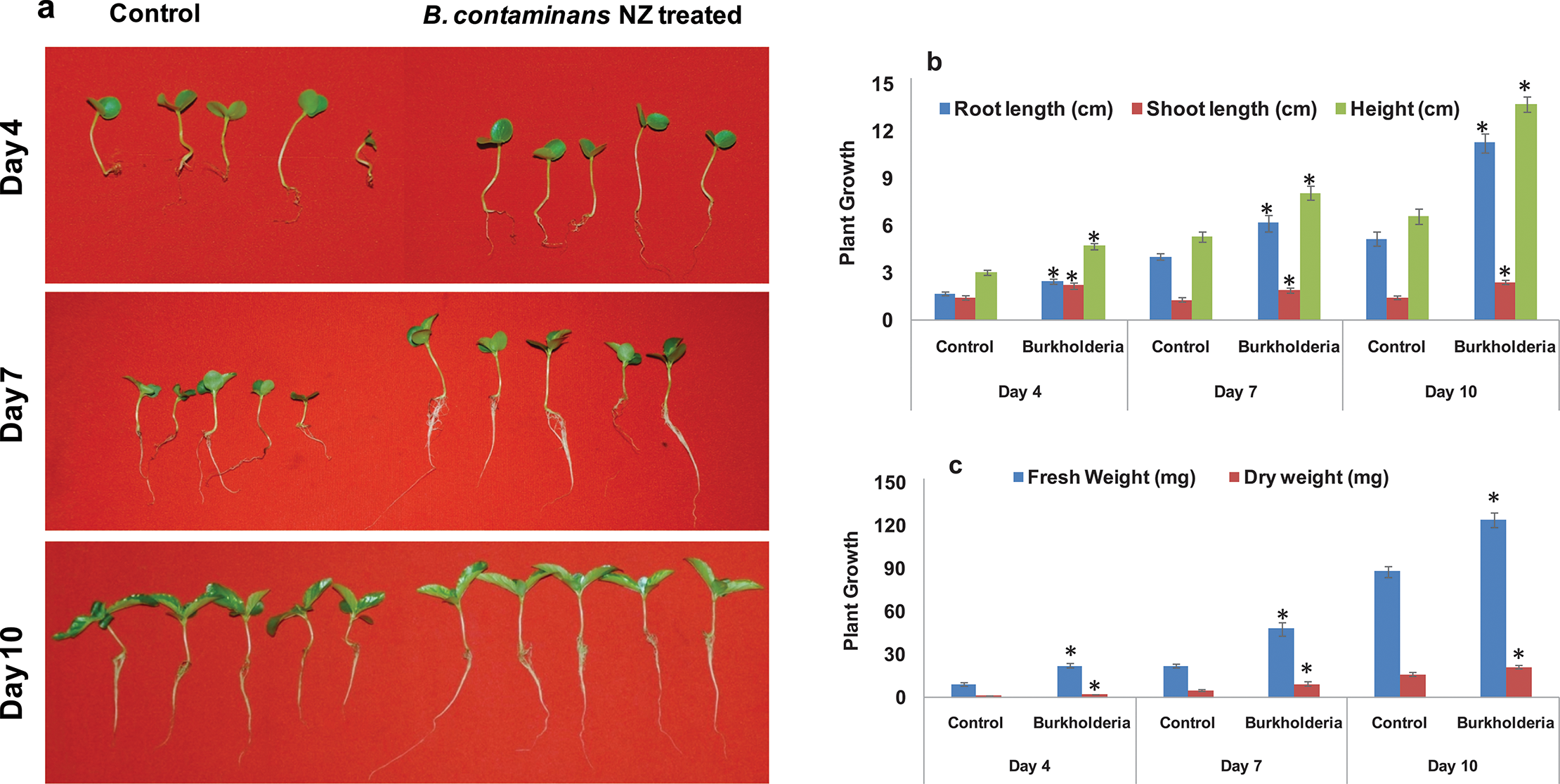
A study published in PLOS ONE demonstrates the ability of the plant growth-promoting endophyte Burkholderia contaminans NZ to antagonize the phytopathogen Macrophomina phaseolina. The research identified melanin synthesis and pyrrolnitrin-mediated inhibition as important mechanisms underlying the interaction. These findings provide molecular evidence supporting the biocontrol potential of B. contaminans NZ and contribute to the development of safer and more sustainable approaches for managing fungal diseases in crops.
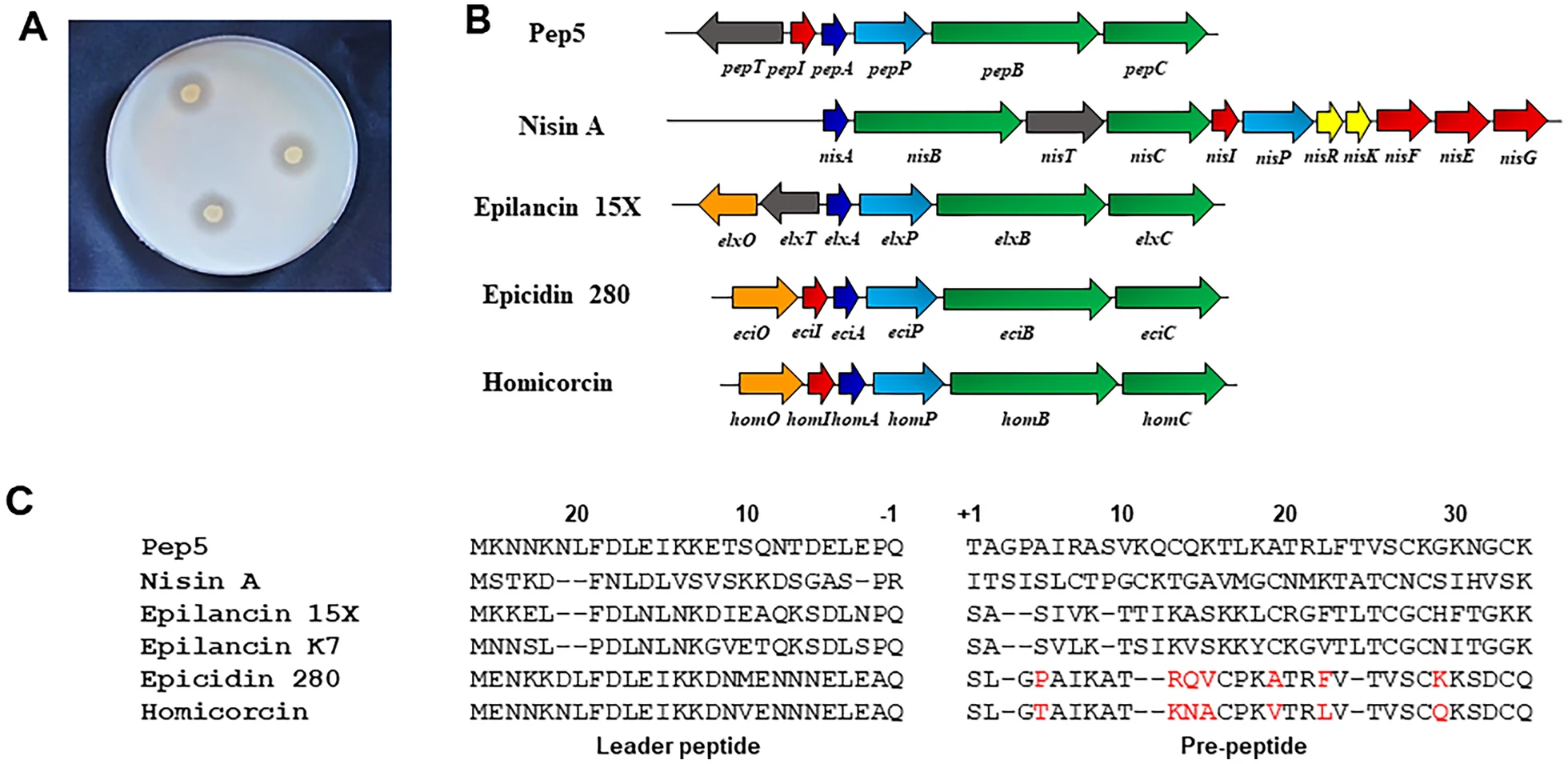
A research study published in Scientific Reports reports the discovery and characterization of homicorcin, a novel lantibiotic produced by the plant endophyte Staphylococcus hominis strain MBL_AB63. The study also identified a position-one variant and investigated the antimicrobial properties of the compound. The discovery expands the known diversity of lantibiotics and highlights plant-associated microorganisms as promising sources of novel antimicrobial compounds for future biotechnology and pharmaceutical research.
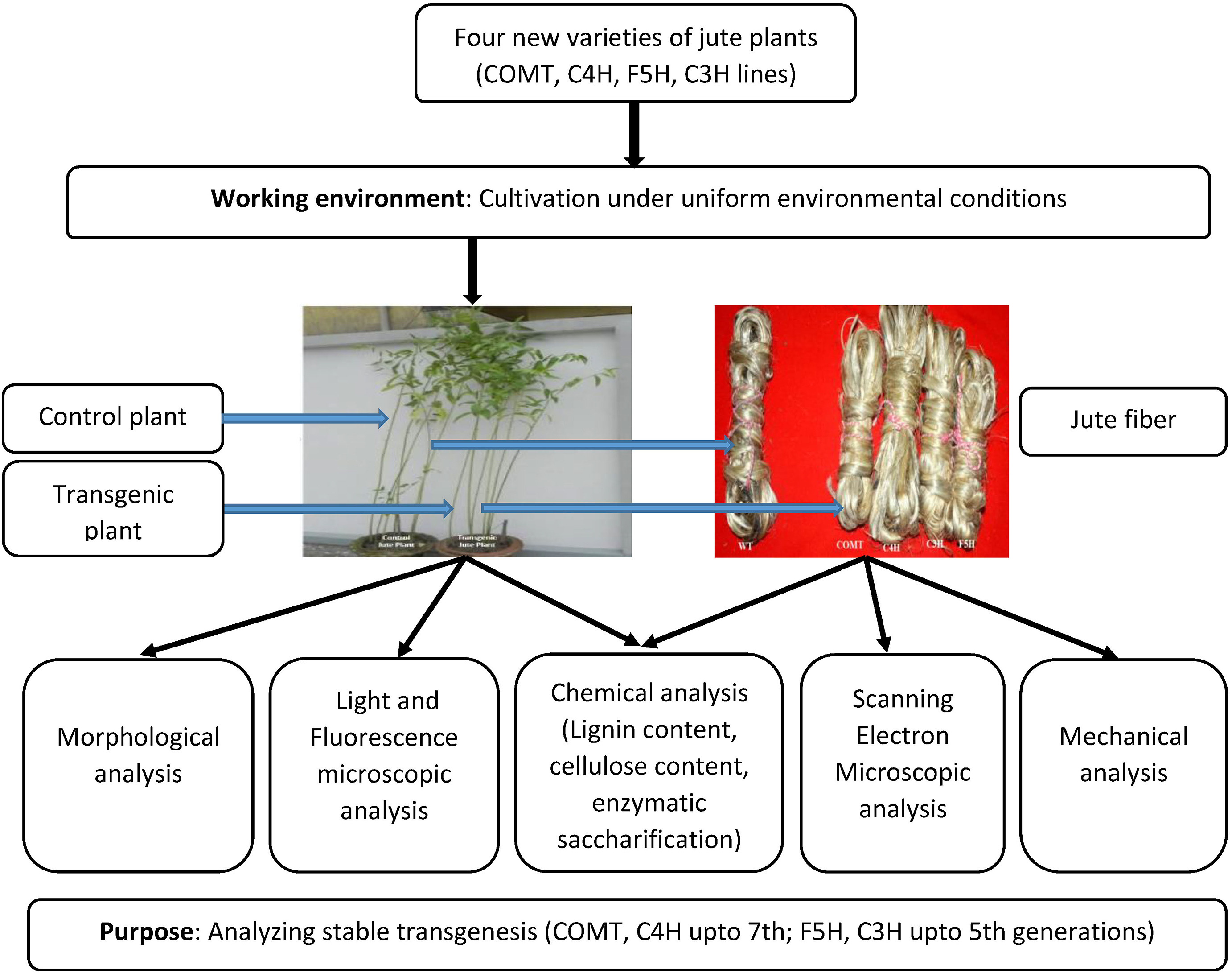
A study explored the effect of artificially reducing lignin content in jute and assessed its potential for value addition and diversification of jute-based materials. The research provides insights into the relationship between lignin and jute properties and highlights opportunities for developing new applications from this important natural fiber. The findings contribute to ongoing efforts to improve jute processing, diversify its uses, and increase the value of jute-derived products.
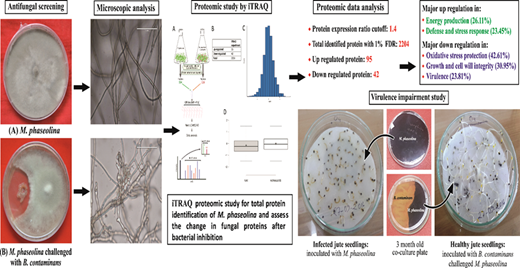
A proteomic study investigated how the jute pathogen Macrophomina phaseolina responds when challenged by the beneficial bacterium Burkholderia contaminans NZ. The research identified changes in the fungal proteome associated with survival and adaptation during the interaction. These findings provide molecular insights into beneficial microbe–pathogen interactions and strengthen the scientific basis for developing biological approaches to manage fungal pathogens affecting crops.